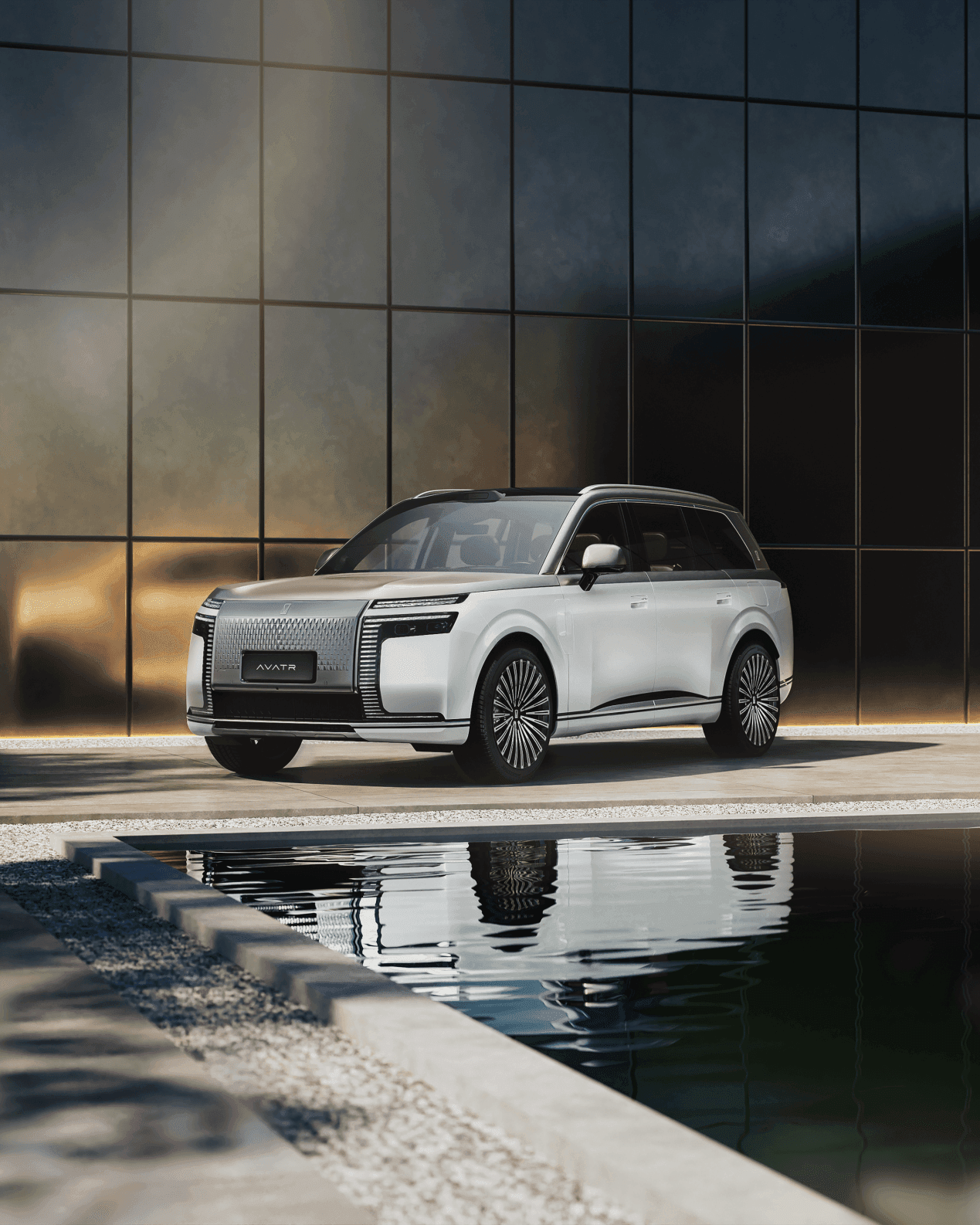
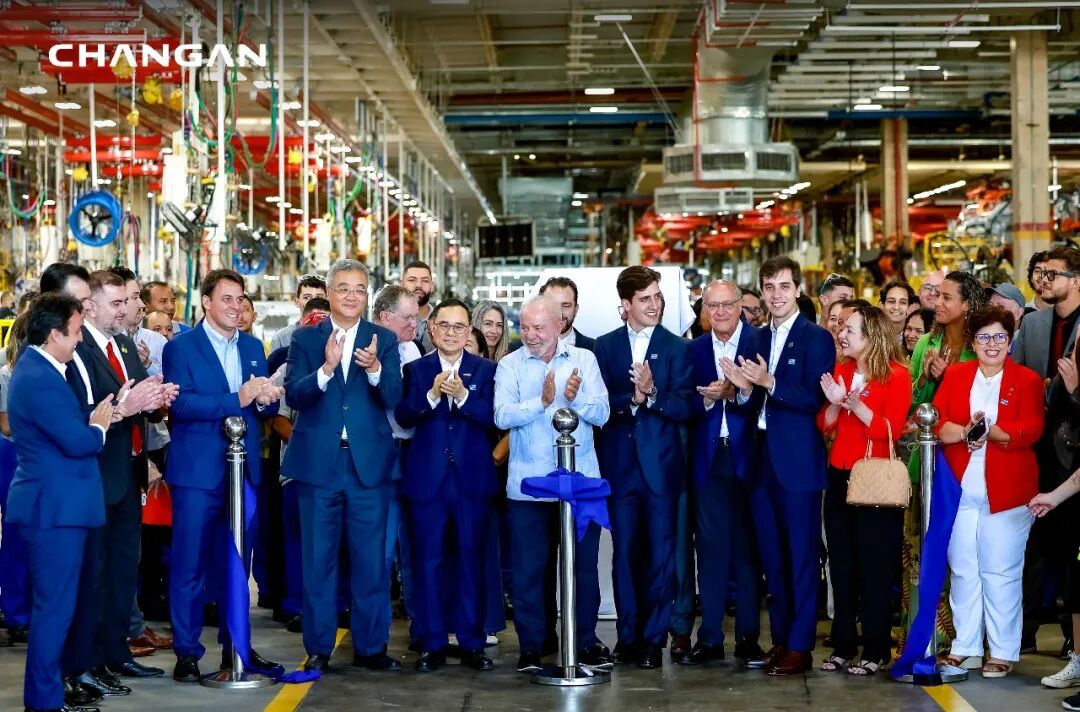
Changan Automobile and its partner CAOA Group jointly opened a new chapter in Brazil's automotive industry: the highly automated production line in Anápolis has officially been completed and put into production. Chinese Ambassador to Brazil Zhu Qingqiao accompanied Brazilian President Lula, Vice President Alckmin, the Mayor of Anápolis and other dignitaries to attend the event and jointly witness this important moment.
At the production launch ceremony, Brazilian President Lula highly praised Changan Automobile's corporate strength and determination for localized development, and said in his speech: "China is Brazil's best partner. Changan Automobile's Brazil plant creates local jobs, improves people's lives, and plays a positive role in advancing Brazil's reindustrialization process."
Rooted in Brazil, Serving Latin America
Changan Automobile Becomes a Model of Localized Operations for Chinese Automakers
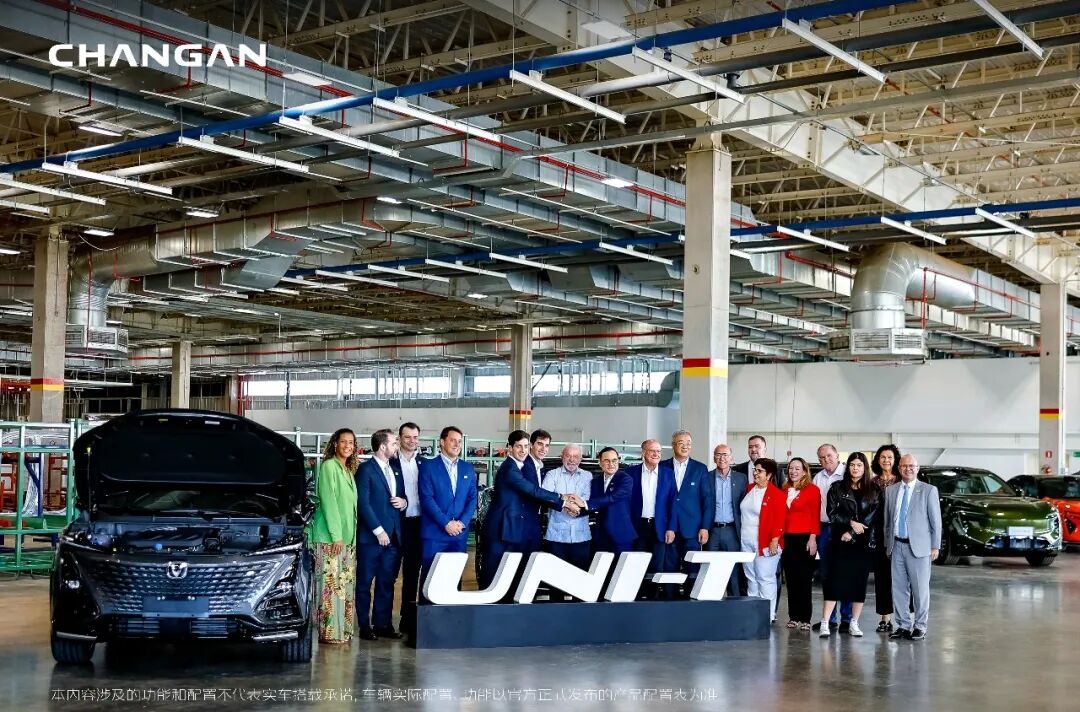
At the event, the first Brazil-made Changan UNI-T successfully rolled off the line. This model was specially developed by Changan for the Brazilian market, and its core is equipped with the advanced 1.5 Turbo GDi BlueCore Flex engine. The first phase of Changan Automobile's Brazil plant plans to produce 3 models, covering multiple powertrain forms including gasoline, hybrid, and plug-in hybrid. The entire product lineup is equipped with flexible-fuel engines that can be compatible with gasoline, ethanol, or any proportion of mixed fuels, fully adapting to Brazil's localization needs with ethanol as the main energy source.
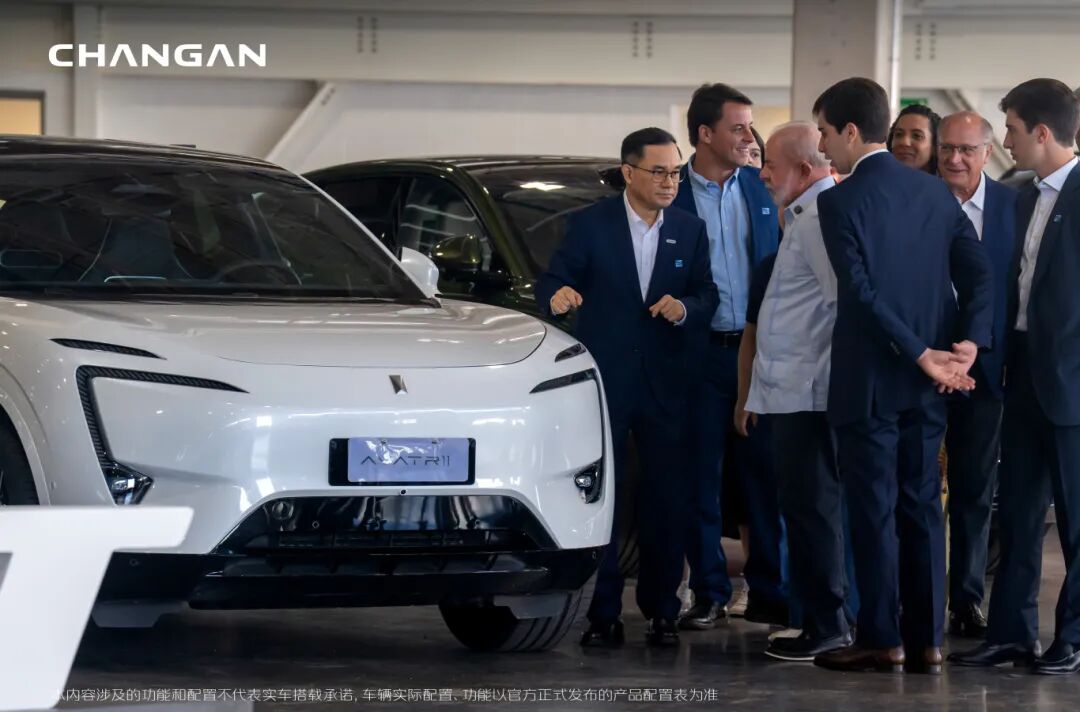
Brazil is a strategic focus of Changan Automobile's global layout. The Brazil plant put into production this time is an important practice for Changan Automobile in moving from "product export" to "industrial going global." It not only promotes the integration of China-Brazil automotive industry resources and technological synergy, but also, by driving employment and promoting supply chain development, strengthens the bridge of China-Brazil friendship, allowing the fruits of China-Brazil cooperation to benefit more people in Latin America.
This model is reshaping the path for Chinese automobiles to "go global" — no longer a single product export model, but one supported by technology, systems, and brands, promoting deep integration with local industries and building a more stable and sustainable development ecosystem. Changan Automobile provides a reference model for more Chinese automotive brands to expand into overseas markets, and also provides a new "Chinese solution" for global automotive industry cooperation.
At present, Changan Automobile has laid out 76 factories globally. After the Brazil plant goes into production, it will form regional complementarity and global linkage with Changan's other overseas plants, further promoting the implementation of the "Sea of Rivers" plan. Looking to the future, Changan Automobile will focus on advancing the "Four Ones" goals and the "152" global layout, elevating the five major overseas regional markets to a strategic height equal to that of the Chinese market, and accelerating its march toward becoming a world-class automobile brand.
Browse Vehicles
Related Articles
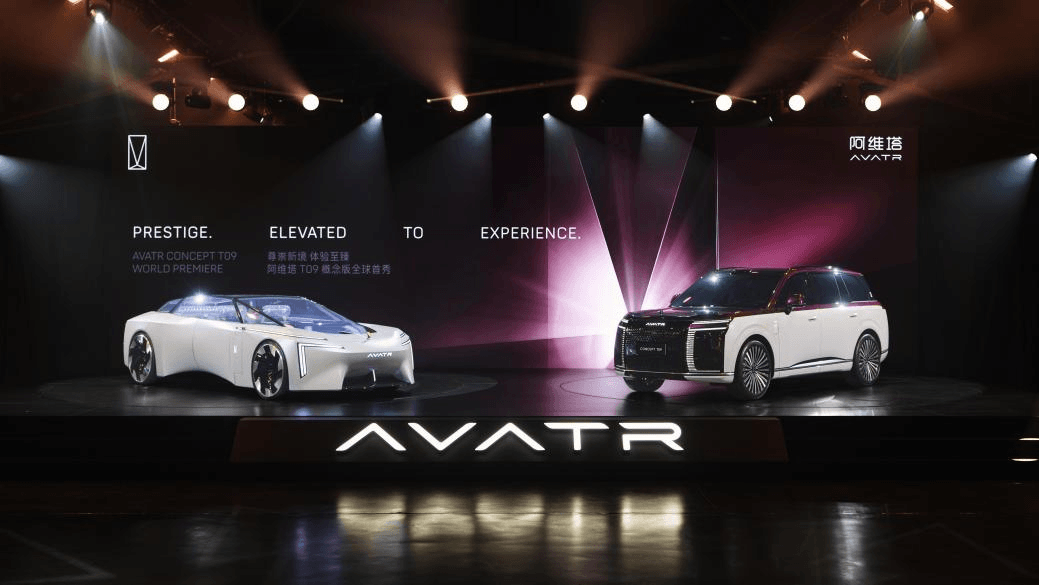
Avatr T09 Makes Global Debut in Paris, Interior Design Revealed for the First Time
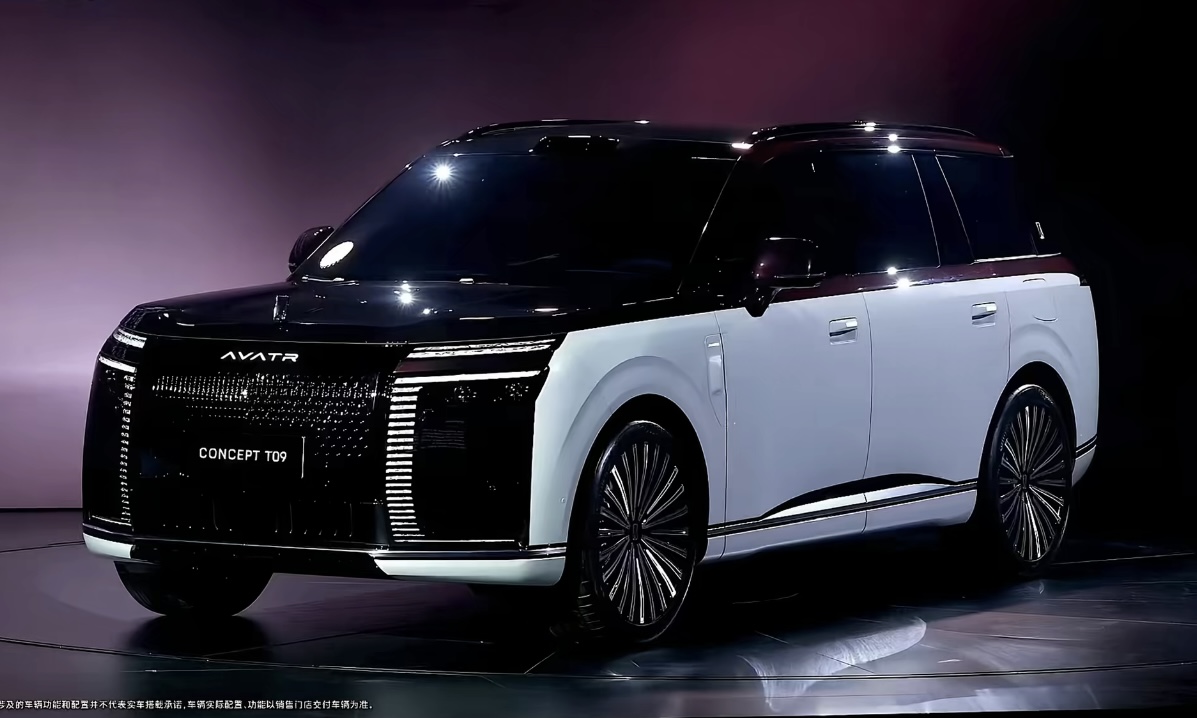
Avatr New Car Officially Announced: Global Premiere on October 12! Nearly 5.3 Meters Long, Equipped with Four LiDARs